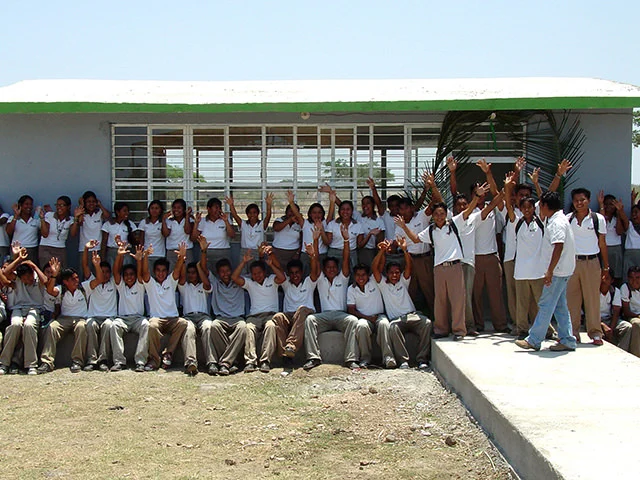


Financial education has become one of the most important skills young people can develop, yet it remains one of the most overlooked subjects in many schools. While students spend years learning mathematics, science, history and language arts, many graduate without understanding how to manage money, create a budget, avoid debt or plan for their financial future.
As a result, countless young adults enter adulthood unprepared for the financial responsibilities they will soon face.
This growing gap in practical education has sparked conversations among parents, educators and business leaders about the need for stronger financial literacy programs. Among those leading the discussion is Rich Wittmeier author, educator, engineer and advocate for financial literacy. Through his book What Money Tree Will You Plant, Wittmeier offers students a practical guide to understanding money before they graduate and begin making major life decisions.
More importantly, he helps young people see that financial success is not determined by luck. Instead, it is built through knowledge, planning and informed decision-making.
Why Financial Education Matters More Than Ever
Today’s students face financial challenges that previous generations may not have encountered to the same extent.
College tuition costs continue to rise. Housing markets fluctuate. Inflation affects everyday purchases. Credit card debt remains a growing concern. Additionally, technological advancements are rapidly changing career opportunities and workplace expectations.
Because of these realities, young people must make increasingly complex financial decisions at an earlier age.
Unfortunately, many students leave high school without a clear understanding of topics such as:
- Budgeting
- Saving
- Credit management
- Taxes
- Loans
- Inflation
- Retirement planning
- Investing
- Cost of living
Without this knowledge, even the most academically successful students may struggle financially.
This challenge is one reason why Rich Wittmeier books are receiving growing attention from educators and families seeking practical financial resources.
The Inspiration Behind What Money Tree Will You Plant
At the heart of Wittmeier’s message is a simple yet powerful question:
What Money Tree Will You Plant?
This question serves as the foundation of the book and its approach to financial literacy.
Just as planting a tree requires thoughtful planning and patience, building financial success requires intentional decisions made over time.
Every choice a young person makes, whether related to education, spending, saving or career planning, acts like a seed planted today. Eventually, those seeds grow into financial outcomes.
Some choices lead to stability, opportunity and financial independence. Others may create challenges that become difficult to overcome later.
Through this memorable metaphor, Rich Wittmeier author encourages students to think beyond immediate rewards and consider the long-term impact of their actions.
Financial Literacy Is a Life Skill, Not an Elective
One of the key insights shared throughout What Money Tree Will You Plant is that financial education should not be viewed as optional.
Money affects nearly every aspect of life.
People make financial decisions when choosing careers, purchasing homes, financing education, raising families, planning vacations and preparing for retirement.
Yet many individuals learn these lessons through trial and error.
Unfortunately, financial mistakes often carry significant consequences.
For example, poor budgeting habits can lead to debt. A lack of understanding about credit can result in high-interest payments. Delayed retirement planning can make long-term financial goals much harder to achieve.
By teaching students financial concepts early, books like What Money Tree Will You Plant help them avoid common mistakes and make more informed decisions.
Connecting Education to Real-Life Outcomes
Many students ask themselves important questions about the future:
- What career should I pursue?
- Should I attend college or trade school?
- How much money will I earn?
- What lifestyle do I want?
- Where do I want to live?
While these questions are common, few young people fully understand how they connect to financial planning.
One of the strengths of Rich Wittmeier books is their ability to connect career aspirations with financial realities.
Instead of encouraging students to think only about what they want to do, Wittmeier also encourages them to consider how their choices will support their goals.
For example, a student who dreams of homeownership, travel and early retirement must understand the financial requirements associated with those goals.
This practical perspective helps readers make decisions that align both with their passions and their long-term objectives.
Building Confidence Through Financial Knowledge
Many people feel anxious when discussing money.
Often, that anxiety stems from uncertainty and lack of understanding.
However, knowledge creates confidence.
When students learn how budgeting works, understand the importance of saving and recognize the impact of financial decisions, they gain greater control over their future.
This confidence extends beyond finances.
Students who understand money often become more confident decision-makers in other areas of life as well.
They learn to evaluate risks, set goals, develop plans and adapt when circumstances change.
As a result, financial literacy becomes more than a money-management skill. It becomes a foundation for personal growth and responsibility.
Why Rich Wittmeier Books Resonate with Students
One reason Rich Wittmeier books stand out is their practical and relatable approach.
Rather than overwhelming readers with technical terminology or complicated financial theories, Wittmeier explains concepts in a way that students can understand and apply.
His writing reflects real-world experience and focuses on situations that young adults are likely to encounter.
For example, the book explores topics such as:
- Living expenses
- Transportation costs
- Housing decisions
- Educational investments
- Salary expectations
- Long-term financial planning
Because these topics directly relate to life after graduation, readers can immediately see their relevance.
Consequently, students are more likely to engage with the material and retain what they learn.
The Role of Parents and Educators in Financial Literacy
Financial education works best when schools, parents and communities work together.
Parents often want to teach their children about money but may not know where to start.
Similarly, educators recognize the importance of financial literacy but frequently face limited classroom time and resources.
Books like What Money Tree Will You Plant help bridge that gap.
They provide a structured framework for discussing financial topics in a way that is approachable, practical and relevant.
Furthermore, the book encourages conversations about goals, values, responsibility and long-term planning.
These discussions benefit students regardless of their future career paths.
Preparing Students for a Changing World
The world is evolving rapidly.
New technologies continue to reshape industries. Economic conditions change frequently. Career opportunities emerge in fields that did not exist a decade ago.
Because of this constant change, students need more than academic knowledge.
They need the ability to make informed financial decisions throughout their lives.
Financial literacy provides that foundation.
It equips young people with the skills necessary to evaluate opportunities, manage resources and adapt to changing circumstances.
This preparation becomes increasingly valuable as students transition from the classroom to adulthood.
Final Thoughts
Financial education is no longer a luxury; it is a necessity.
As young people face increasingly complex financial decisions, they need practical guidance that prepares them for the realities of adulthood.
That is exactly what Rich Wittmeier author delivers through What Money Tree Will You Plant.
By combining real-world experience, practical financial lessons and a forward-thinking perspective, Wittmeier helps students understand how today’s decisions influence tomorrow’s opportunities.
For parents, educators and students seeking meaningful financial education, Rich Wittmeier books offer valuable insights that can shape future success.
The message is both simple and powerful:
Every financial decision plants a seed.
The question is, What Money Tree Will You Plant?
The answer may influence your future for decades to come.